
Trauma Therapy for Healing and Recovery Support
Living with the weight of trauma can feel isolating and overwhelming. It’s common to carry feelings of fear, confusion, or numbness long after the event has passed, and these feelings can quietly shape how you experience the world and relate to others. It’s important to know that these responses are natural reactions to difficult experiences, not personal failings. Healing is possible, and trauma therapy offers a compassionate, steady path forward—one that honors your experience and supports your journey toward reclaiming safety and emotional balance.
TLDR
Trauma can deeply affect emotional and physical well-being, often showing up as anxiety, depression, or distress long after the event.
It happens because overwhelming experiences disrupt how the brain and body process emotions and memories. Trauma therapy provides a structured, evidence-based approach to help individuals safely explore and process these experiences.
Through specific therapeutic methods, clients build skills for emotional regulation, resilience, and healthier relationships, supporting lasting recovery.
Understanding Trauma Therapy and Its Role in Healing
Trauma therapy is a special kind of counseling that helps people work through and heal from the lasting effects of tough experiences. It offers a safe, supportive place where you can talk about your feelings and memories without fear of judgment. The goal is to help you feel more in control and emotionally steady, giving you the strength to move forward with greater resilience.
What Trauma Therapy Is and How It Supports Recovery
At its heart, trauma therapy is about gently facing and working through painful experiences. Therapists use proven techniques like Cognitive Behavioral Therapy, which helps you spot and change unhelpful thoughts, and Eye Movement Desensitization and Reprocessing, a method that helps your brain reprocess traumatic memories so they don’t feel as overwhelming. These approaches not only help you heal but also give you practical tools to handle stress and symptoms in everyday life.
Addressing Emotional and Complex Trauma with Personalized Care
Trauma isn’t the same for everyone. Emotional trauma might come from one event, while complex trauma often comes from ongoing or repeated difficult experiences. Because of this, therapy is adjusted to fit what you need. For example, kids might find play therapy helpful, which uses creative activities to express feelings, while adults might prefer talk therapy or somatic experiencing—a way to reconnect your mind and body by focusing on physical sensations linked to trauma. This kind of personalized care helps you heal more deeply and recover emotionally.
Research supports the effectiveness of somatic experiencing in building resilience and improving psychological health.
Effective Therapy Techniques for PTSD

When it comes to treating post-traumatic stress, several therapy methods have proven to work well. Each offers a different way to connect with trauma, and the best choice depends on what feels right for you.
Exploring Eye Movement Desensitization and Reprocessing, Cognitive Behavioral Therapy, and Somatic Therapy
| Therapy Method | Description | Benefits |
|---|---|---|
| Eye Movement Desensitization and Reprocessing (EMDR) | This method helps clients process traumatic memories by guiding them through specific eye movements, which can reduce the emotional charge of those memories. | Decreases distress associated with trauma and supports emotional healing. |
| Cognitive Behavioral Therapy (CBT) | CBT focuses on identifying and changing negative thought patterns and behaviors that stem from trauma. | Improves coping skills, reduces symptoms of anxiety and depression. |
| Somatic Therapy | This approach emphasizes the connection between mind and body, helping clients release trauma stored in physical sensations. | Enhances body awareness and aids in regulating emotions. |
These therapies can be adjusted to fit your situation, making sure your path to recovery feels right for you.
Research also highlights the particular effectiveness of EMDR for certain groups, such as veterans coping with trauma.
Understanding the Typical Duration of PTSD Treatment
How long PTSD treatment lasts can vary based on your individual situation and the therapy used. Usually, therapy might take about 8 to 16 weeks, but some people may need more time if their trauma is more complex. Things like how severe your symptoms are, how involved you are in therapy, and the methods used all play a role. Showing up regularly and being active in your sessions helps you make steady progress.
How Trauma Recovery Counseling Supports Different People
Trauma affects everyone in their own way, and counseling changes to fit the needs of kids, teens, families, adults, and couples. Each group gets support that matches their unique experiences and challenges.
Approaches for Children, Teens, and Families
Kids and teens often experience trauma differently from adults, so therapy for them includes special techniques. One-on-one sessions give them a safe place to share feelings, while creative therapies like art and play help express things that might be hard to say with words. Family therapy can also be a big help, improving how everyone communicates and supports each other at home.
Supporting Adults and Couples Through Trauma Recovery
For adults and couples, trauma counseling focuses on building stronger emotional connections and better communication. Therapy helps you develop resilience and teaches skills to handle trauma together, creating more understanding and support. This teamwork not only helps each person heal but also builds healthier, more secure relationships.
The Importance and Benefits of Childhood Trauma Therapy
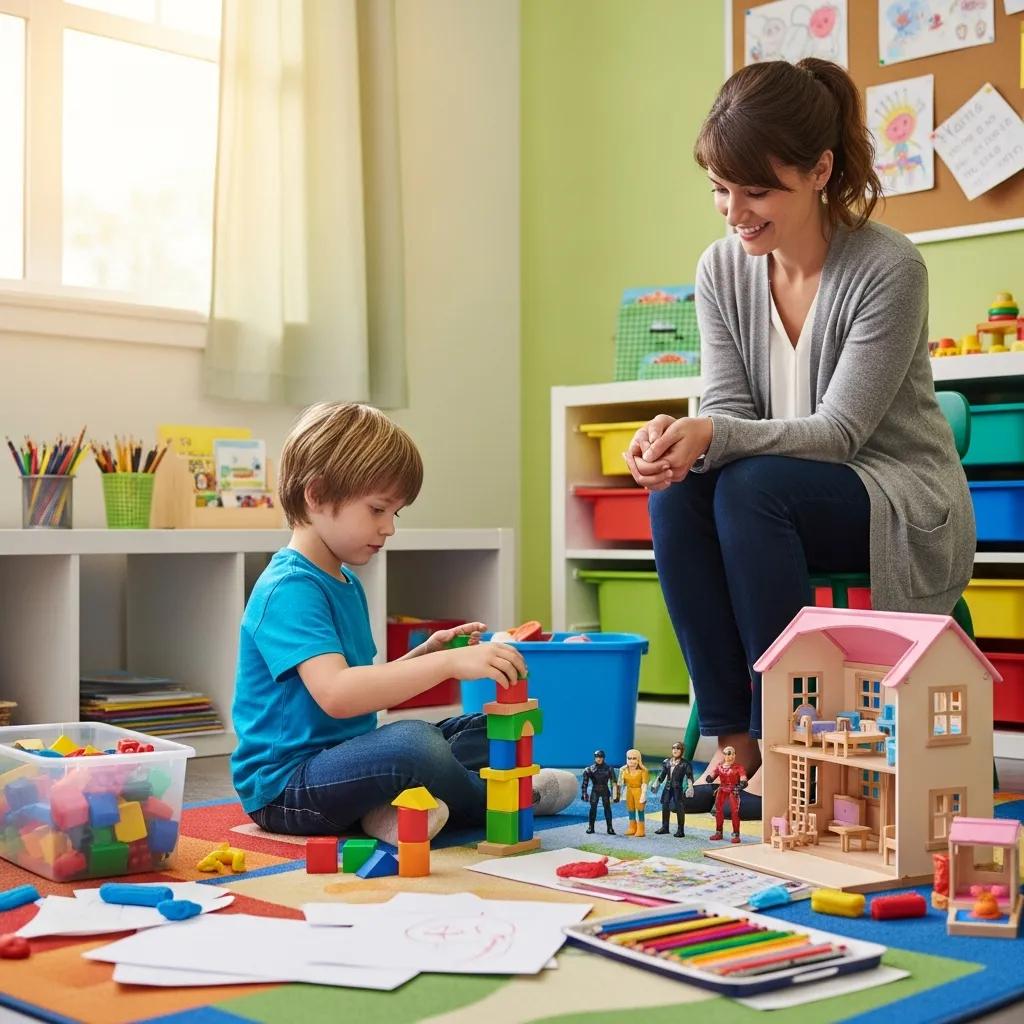
Dealing with trauma early in life is really important. Childhood trauma therapy gives young people tools that help them heal emotionally and build strength over time.
Why Early Intervention Matters
When trauma is addressed early, kids can learn healthy ways to cope that lower the chance of mental health problems later on. Therapy helps them understand their emotions better and face life’s challenges with more confidence and stability.
Creating Trust and Safety in Therapy
Trust is key to good therapy for kids. A warm, private space helps children feel safe to open up, which is essential for real healing and growth. Therapists work carefully to build this trust so kids can fully take part in the process.
Enhancing Mental Health Through Complex Trauma Support
If you’ve been through long-term or repeated trauma, getting the right kind of support is really important for your overall mental health and well-being.
Holistic and Trauma-Informed Care
Mixing trauma-informed care with holistic methods offers a more comprehensive healing experience. This means understanding your unique story and needs, and combining traditional therapy with things like mindfulness and body-focused therapies. This mix helps balance emotional and physical healing, supporting a recovery that lasts.
Integrating Therapy with Personal Growth
Therapy works best when it’s combined with personal growth activities. Things like journaling, meditation, and exercise go hand in hand with therapy by building emotional strength and self-awareness. This well-rounded approach helps you thrive beyond trauma.
What This Looks Like in Real Life
Healing from trauma often shows up in many parts of life. Here are three examples that show how trauma can affect your inner world, your body or behavior, and your relationships:
- Internal Experience: You might feel anxious or on edge a lot, even when there’s no clear danger. Memories or feelings tied to the trauma can feel overwhelming or pop up unexpectedly, making it hard to focus or relax.
- Physical or Behavioral Patterns: Trauma can show up physically as tension, headaches, or changes in sleep and appetite. You might avoid places or situations that remind you of the trauma, or use things like alcohol or drugs to numb tough feelings.
- Relational Impact: Trauma can change how you connect with others. You might find it hard to trust, feel alone, or struggle to share your feelings. Relationships might feel tense or confusing, even with people you care about.
What to Expect in Counseling
Starting trauma therapy is a step toward steady, long-term healing. Your first session usually includes a conversation where the therapist listens to your story, learns about your needs, and starts building trust. Together, you’ll set goals and make a plan that fits your experience.
Therapy sessions often involve learning and practicing ways to manage emotions, safely work through traumatic memories, and repair relationships. Techniques like Cognitive Behavioral Therapy, Eye Movement Desensitization and Reprocessing, and somatic experiencing might be used depending on what suits you best. The process moves at your pace, focusing on lasting change rather than quick fixes.
If medication is part of your care, we can coordinate with your prescribing provider to keep everything working smoothly.
Preparing for a Trauma Therapy Session and Accessing Support in Lake Houston
Getting ready for therapy means setting your intentions and creating a space where you feel comfortable sharing. It’s normal to feel unsure or nervous at first. Remember, therapy is a team effort, and your comfort and readiness help guide the pace.
At The Shift Counseling and Wellness, LLC, we offer free consultations to talk about your needs and how trauma therapy might help. You can reach out by calling 713-396-0257 to find a time that works for you. There’s no pressure—just an open invitation to explore what healing could look like for you.