How to Manage Stress: Practical Strategies That Work
Stress often arrives quietly, woven into the fabric of daily life. You might notice a persistent tension in your shoulders, a restless mind that won’t settle, or a growing sense of overwhelm that colors your days. These experiences are common and understandable responses to the demands and uncertainties we face. Recognizing stress without judgment is the first step toward regaining a sense of control and well-being.
TLDR
Stress manifests as a natural reaction to challenging or threatening situations, often showing up as physical tension, emotional strain, or difficulty concentrating. Over time, unmanaged stress can affect mental health and physical well-being. Counseling supports stress management by helping you develop personalized coping skills, regulate emotional responses, and build resilience to navigate stressful situations more effectively.
What Is Stress and How Does It Affect Your Body and Mind?
You might notice stress as a reaction to pressures or challenges that feel overwhelming or persistent. Sometimes this shows up as a racing heart, muscle tightness, or difficulty sleeping. Over time, this can begin to affect your mood, energy levels, and overall health.
Stress triggers the body’s natural “fight or flight” response, releasing hormones such as cortisol and adrenaline. These hormones prepare you to respond quickly to perceived threats. While this reaction is adaptive in the short term, chronic stress keeps the body in a heightened state of alert, which can lead to headaches, fatigue, digestive issues, and increased anxiety or irritability.
Understanding these biological and psychological responses is essential for effective stress management. Chronic activation of the stress hormone system can impair immune function and increase the risk of cardiovascular problems, underscoring the importance of timely intervention.
What Are the Common Causes and Triggers of Stress?
Stress triggers vary widely but often include academic or work pressures, significant life changes such as moving or job transitions, and social challenges like interpersonal conflicts or relationship difficulties. Recognizing these triggers helps in tailoring coping strategies that address your unique experiences.
How Does Stress Impact Mental and Physical Health?
Chronic stress can profoundly affect both mental and physical health. Mentally, it may contribute to anxiety disorders, depression, and difficulties with concentration or memory. Physically, prolonged stress can elevate blood pressure, weaken the immune system, and increase vulnerability to chronic illnesses. These connections highlight why effective stress management techniques are vital for maintaining overall health.
What Are the Most Effective Stress Relief Techniques?
Effective stress relief strategies encompass relaxation practices, mindfulness exercises, and physical activity, each addressing different aspects of the stress response.
Which Relaxation Methods Can Quickly Reduce Stress?
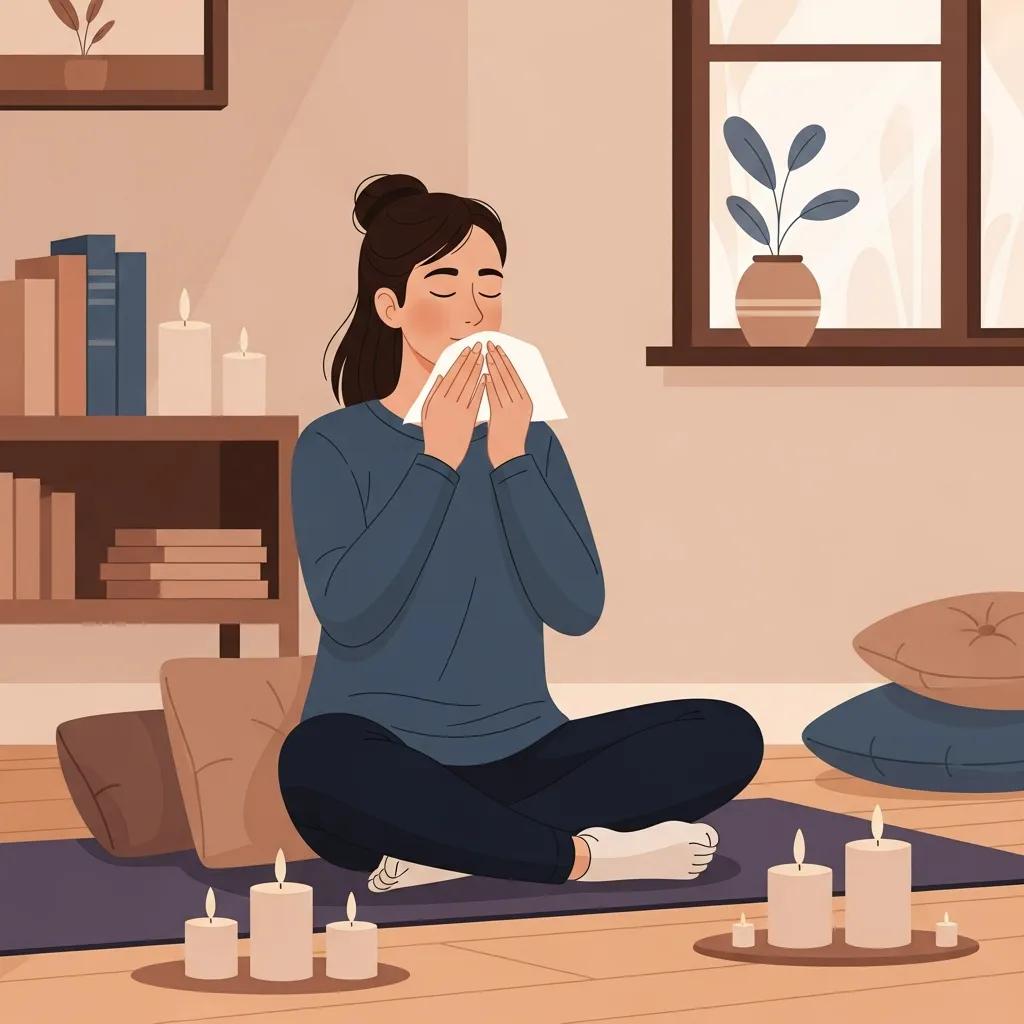
Quick relaxation methods that can be integrated into daily life include:
- Deep Breathing: Engaging in diaphragmatic breathing activates the parasympathetic nervous system, calming the body’s stress response.
- Progressive Muscle Relaxation: Systematically tensing and releasing muscle groups reduces physical tension and promotes bodily awareness.
- Visualization: Guided imagery or imagining peaceful scenes helps shift attention away from stressors and fosters relaxation.
Regular practice of these techniques supports quicker recovery from stressful moments and contributes to overall stress relief.
How Do Breathing Exercises Help Manage Anxiety and Stress?
Breathing exercises serve as a direct pathway to regulate the nervous system. By focusing on breath patterns, such as the 4-7-8 technique—where you inhale for 4 seconds, hold for 7, and exhale for 8—you can reduce heart rate and promote calmness. These exercises not only alleviate immediate anxiety but also build long-term emotional regulation skills.
Breathing Techniques for Anxiety & Quality of Life
The 4–7-8 breathing technique was found to be beneficial in reducing the anxiety level of patients in clinical practice after bariatric surgery. It was found that deep breathing exercise was also effective in improving the quality of life.
The effect of deep breathing exercise and 4–7-8 breathing techniques applied to patients after bariatric surgery on anxiety and quality of life, 2023
How Can Mindfulness and Meditation Reduce Stress?
Mindfulness and meditation cultivate present-moment awareness, which can interrupt habitual stress reactions and foster acceptance. These practices help you observe thoughts and sensations without judgment, reducing the intensity of stress responses.
What Are Mindfulness Exercises for Stress Relief?
Mindfulness exercises include:
- Mindful Breathing: Anchoring attention on the breath to ground awareness and ease mental agitation.
- Body Scan: Systematically noticing physical sensations to increase bodily awareness and release tension.
- Mindful Walking: Engaging fully with the experience of movement and surroundings to enhance presence and reduce rumination.
These exercises support emotional regulation and can be integrated into daily routines for sustained stress relief.
How Does Meditation Improve Mental Health and Lower Cortisol Levels?
Regular meditation practice has been shown to reduce symptoms of anxiety and depression by lowering cortisol, the primary stress hormone. This reduction supports nervous system stabilization and improves psychological resilience. Meditation also enhances emotional regulation, helping individuals respond to stressors with greater clarity and calm.
Physical Activity & Mindfulness for Stress Reduction
This randomized controlled trial compared the efficacy of self-help physical activity (PA), mindfulness meditation (MM), and heart rate variability biofeedback (HRV-BF) in reducing stress and its related symptoms. Results indicated an overall beneficial effect consisting of reduced stress, anxiety and depressive symptoms, and improved psychological well-being and sleep quality. No significant between-intervention effect was found, suggesting that PA, MM, and HRV-BF are equally effective in reducing stress and its related symptoms.
Physical activity, mindfulness meditation, or heart rate variability biofeedback for stress reduction: a randomized controlled trial, AC Huizink, 2015
What Physical Activities Are Best for Stress Reduction?

Physical activity plays a critical role in managing stress by reducing muscle tension, releasing endorphins, and improving sleep quality. You might notice that regular movement helps clear your mind and elevates your mood.
Which Types of Exercise Help Lower Stress and Anxiety?
Effective exercises for stress relief include:
- Aerobic Exercises: Activities like running, swimming, and cycling increase endorphin production, which enhances feelings of well-being.
- Strength Training: Weightlifting can boost self-esteem and body confidence, contributing to improved mental health.
- Yoga: Integrating physical postures with mindful breathing, yoga supports relaxation and nervous system balance.
Incorporating a variety of these activities into your routine can provide comprehensive benefits for stress management.
How Often Should You Exercise to Manage Stress Effectively?
Engaging in at least 150 minutes of moderate-intensity aerobic exercise weekly, combined with two days of strength training, is recommended for effective stress management. Consistency in physical activity supports sustained improvements in mood, sleep, and overall health.
What This Looks Like in Real Life
Consider these everyday scenarios that illustrate how stress can manifest and how therapy can support change:
After a long day, you find yourself unable to unwind, your mind racing with unfinished tasks and worries. This internal restlessness makes it difficult to fall asleep, leaving you fatigued the next day. Therapy can help by teaching techniques to calm the nervous system and develop healthier sleep habits.
You notice frequent headaches and muscle tightness, especially around your neck and shoulders, which seem to worsen during busy work periods. These physical symptoms are your body’s way of signaling stress. Through guided progressive muscle relaxation and mindful awareness, therapy can assist in reducing this tension.
In social situations, you might withdraw or feel irritable, straining relationships with friends or family. These patterns can create a cycle of isolation and increased stress. Therapy offers tools to improve communication, manage emotional responses, and rebuild connections.
What Coping Strategies Work for Different Stress Triggers?
Effective coping often involves a combination of time management, cognitive techniques, and behavioral adjustments tailored to your specific stressors.
How Can Time Management and Cognitive Techniques Reduce Stress?
Procrastination and feeling overwhelmed frequently stem from unclear priorities or unrealistic expectations. Breaking tasks into manageable steps, setting achievable deadlines, and using to-do lists can enhance productivity and reduce stress. Cognitive strategies such as reframing negative thoughts and practicing gratitude help shift perspective and improve emotional resilience.
What Are Practical Ways to Manage Stress at Work?
Work-related stress can be addressed by establishing clear boundaries between professional and personal time, taking regular breaks to maintain focus, and seeking support from colleagues or supervisors when needed. These approaches foster a healthier work environment and contribute to sustained well-being.
What to Expect in Counseling
In your first counseling session, you can expect a collaborative conversation focused on understanding your unique experiences with stress. Together, you and your therapist will identify goals and develop a tailored plan that may include skill-building in emotional regulation, communication, and behavior change. Therapy progresses gradually, emphasizing steady, sustainable improvements rather than immediate breakthroughs.
If medication is part of your care, we can coordinate with your outside prescribing provider to support continuity.
How Therapy Supports Stress Management
Therapeutic approaches such as cognitive-behavioral therapy (CBT) help you recognize and modify unhelpful thought patterns and behaviors that contribute to stress. Mindfulness-based therapies cultivate present-moment awareness and acceptance, reducing reactivity to stressors. Techniques focused on nervous system stabilization, like guided imagery and progressive muscle relaxation, promote physiological calm. Through therapy, you build practical skills that enhance emotional regulation, improve communication, and support relational repair, fostering lasting change.
Take the Next Step
If you’re ready to explore how counseling can support your stress management journey, consider scheduling a 15-minute consultation. This conversation offers a calm, pressure-free opportunity to discuss your needs and how consistent, supported shifts can lead to meaningful change.