

Don't Overlook These Early Signs of Anxiety
Living with anxiety often means navigating a persistent undercurrent of unease that can subtly influence thoughts, feelings, and behaviors. You might notice moments when worry feels overwhelming or when your body reacts in ways that seem out of sync with your surroundings. These experiences can be confusing and isolating, yet they are signals from your mind and body that deserve attention and care. Recognizing these signs early can open the door to meaningful support and management strategies that improve daily life.
TLDR
Anxiety frequently presents through a combination of physical sensations, emotional patterns, and behavioral changes that can disrupt daily functioning. Common signs include restlessness, increased heart rate, excessive worry, and avoidance behaviors. Counseling provides a structured space to explore these experiences, develop coping skills, and address underlying factors contributing to anxiety. Early recognition and intervention can lead to improved mental health and quality of life.
What Are the Most Common Physical Symptoms of Anxiety?
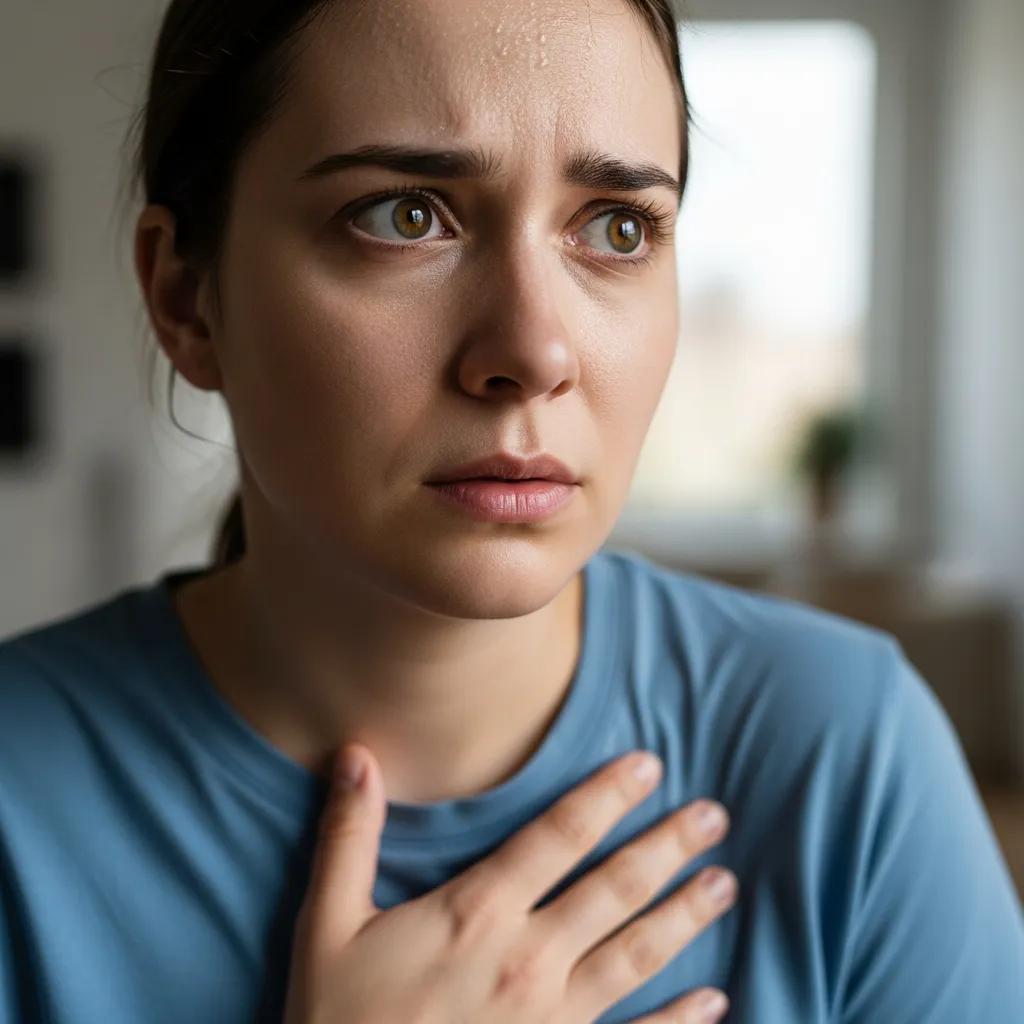
You might notice your body responding in ways that feel uncomfortable or unfamiliar. Sometimes this shows up as a racing heart, sweating, trembling, or digestive issues like nausea or stomach upset. These physical symptoms are manifestations of the body’s natural response to perceived threats, often referred to as the fight-or-flight response, which activates the nervous system. Over time, these reactions can begin to affect your quality of life, making it harder to engage fully in daily activities.
How Does Restlessness Manifest as an Anxiety Symptom?
Restlessness often appears as an inability to relax or remain still. You may find yourself pacing, tapping your feet, or feeling a persistent urge to move. This agitation reflects heightened nervous system activity and can interfere with concentration, sleep, and social interactions.
What Are the Signs of Increased Heart Rate and Breathing Difficulties?
Increased heart rate and shortness of breath are common during anxiety episodes. These symptoms result from the body’s preparation to respond to danger, even when no immediate threat exists. While these sensations can be alarming and sometimes mimic cardiac events, it is important to recognize them as anxiety-related. However, any chest pain or severe symptoms should be evaluated promptly by a healthcare professional to rule out medical causes.
Which Emotional and Behavioral Signs Indicate Anxiety Disorder Symptoms?
Emotional experiences such as persistent worry and irritability often accompany anxiety. You might find your mind repeatedly focusing on potential problems or negative outcomes, which can create a cycle of distress. Behaviorally, this may lead to withdrawing from social situations, avoiding specific places, or engaging in repetitive actions aimed at reducing anxiety. These patterns can gradually limit your engagement with life and relationships.
How Can Excessive Worry and Irritability Signal Anxiety?
Excessive worry involves persistent and uncontrollable concerns about everyday matters, often disproportionate to the actual situation. This ongoing mental strain can increase irritability, making it challenging to maintain patience and connection with others. Recognizing these emotional signs is a critical step toward seeking support.
What Behavioral Changes Should You Recognize as Anxiety Signs?
Behavioral changes may include avoiding social events, skipping activities once enjoyed, or developing rituals to manage anxiety. These adaptations can provide temporary relief but may also reinforce anxiety over time by limiting exposure to feared situations.
How Can You Differentiate Anxiety from Stress and Other Conditions?
It is common to confuse anxiety with stress, but they differ in persistence and intensity. Stress is typically a response to specific external pressures and tends to resolve once the situation changes. Anxiety, by contrast, involves ongoing and excessive fear or worry that can occur even without identifiable triggers. Understanding this distinction helps in seeking appropriate treatment.
What Are the Key Differences Between Anxiety and Normal Stress?
Normal stress is situational and temporary, often motivating problem-solving or adaptation. Anxiety disorders involve chronic and excessive fear or worry that disrupts daily functioning. This persistent nature distinguishes anxiety from typical stress responses.
When Do Anxiety Attack Signs Require Professional Evaluation?
Signs of an anxiety attack, also known as a panic attack, include sudden onset of intense fear accompanied by physical symptoms such as chest pain, dizziness, and shortness of breath. These episodes can be frightening and may resemble medical emergencies. Immediate medical evaluation is necessary if chest pain or severe symptoms occur to exclude other health issues. Mental health professionals can provide assessment and support for managing panic attacks and related anxiety symptoms.
What This Looks Like in Real Life
Imagine waking up with a tightness in your chest and a sense of dread that lingers throughout the day, making it difficult to focus on work or enjoy time with family. You might notice yourself avoiding gatherings or canceling plans because the thought of social interaction feels overwhelming. Or perhaps you find yourself pacing in your home, unable to sit still, while your mind races with worries about things that have not happened yet. These experiences can feel isolating, but therapy offers a path to understanding and managing these patterns.
How Does Therapy Support Change in Anxiety?
Therapy provides a structured environment to explore the thoughts, feelings, and behaviors associated with anxiety. Approaches such as cognitive-behavioral therapy (CBT) help identify and challenge unhelpful thinking patterns while teaching practical skills for emotional regulation and exposure to feared situations. Mindfulness and relaxation techniques support nervous system stabilization, reducing physical symptoms. Family therapy can improve communication and relational dynamics that influence anxiety. Through consistent work, therapy supports gradual and sustainable improvements in managing anxiety.
What Are the Unique Signs of Anxiety in Teens and Children?
Anxiety in younger populations often presents differently than in adults. You might observe children becoming clingy, avoiding school or social activities, or frequently complaining of stomachaches or headaches without a clear medical cause. These signs can be subtle and easily overlooked, yet early recognition is important for effective support.
Understanding these developmental differences is essential. Anxiety disorders in youth, including separation anxiety disorder, specific phobia, social anxiety disorder, agoraphobia, panic disorder, and generalized anxiety disorder, often emerge during childhood and adolescence. Assessment in this age group requires sensitivity to developmental stages and context.
Childhood Anxiety: Symptoms, Diagnosis, and Early Detection
This review highlights important elements of diagnosis, assessment, and treatment while summarizing findings on the epidemiology and etiology of anxiety disorders in children and adolescents, including separation anxiety disorder, specific phobia, social phobia, agoraphobia, panic disorder, and generalized anxiety disorder. The key development period for anxiety symptoms and syndromes, which can range from brief mild symptoms to severe anxiety disorders, is childhood and adolescence. This article reviews epidemiological data pertaining to risk factors, prevalence, incidence, and course. Developing assessment techniques that are more developmentally sensitive is the main challenge in this age range. Prospective designs that evaluate a wide range of putative vulnerability and risk factors will be necessary in order to identify characteristics that could serve as reliable predictors for onset, course, and outcome. For better early detection, differential diagnosis, prevention, and
A review of childhood anxiety, 2022
What Counseling Approaches Are Effective for Teens with Anxiety?
Effective therapy for teens often includes cognitive-behavioral therapy (CBT), which focuses on identifying and modifying anxious thoughts and behaviors. Mindfulness practices help teens develop awareness and acceptance of their feelings, while family therapy addresses relational patterns that may contribute to anxiety. These approaches equip teens with skills to manage anxiety symptoms and improve emotional resilience.
CBT for Youth Anxiety: Core Treatment Components
Cognitive behavioral therapies (CBTs) have been shown to be efficacious for the treatment of anxiety disorders in children and adolescents. Randomized clinical trials indicate that approximately two-thirds of children treated with CBT will be free of their primary diagnosis at posttreatment. Although several CBT treatment packages have been investigated in youth with diverse anxiety disorders, common core components have been identified. A comprehensive assessment, development of a good therapeutic relationship and working alliance, cognitive restructuring, repeated exposure with reduction of avoidance behavior, and skills training comprise the core procedures for the treatment of anxiety disorders in youth.
Cognitive behavioral therapy for anxiety disorders in youth, LD Seligman, 2011
How Can You Recognize and Respond to Anxiety Attack Signs?
You may experience sudden episodes of intense fear accompanied by physical symptoms such as rapid heartbeat, sweating, trembling, chest tightness, and shortness of breath. Emotionally, these moments can include feelings of impending doom, loss of control, or overwhelming fear. Recognizing these signs allows you to take steps to manage the episode effectively.
What Immediate Steps Should Be Taken During an Anxiety Attack?
During an anxiety attack, grounding techniques such as focusing on your breath, naming objects in your environment, or using relaxation exercises can help reduce symptoms. Finding a quiet and safe space to sit or lie down may also provide relief. If symptoms persist or worsen, seeking professional help is important to develop personalized coping strategies and rule out other medical concerns.
What to Expect in Counseling
Your first counseling session typically involves sharing your experiences and concerns while the therapist gathers information about your mental health history and current challenges. Together, you will set goals and develop a collaborative plan for therapy. Over time, therapy focuses on building skills to manage anxiety symptoms, improving emotional regulation, and addressing underlying factors. Change often occurs gradually, supported by consistent effort and a trusting therapeutic relationship.
How Does The Shift Counseling and Wellness Support Anxiety Management Locally?

The Shift Counseling and Wellness, LLC offers counseling services in the Lake Houston area designed to support individuals experiencing anxiety. Their clinicians provide a safe and structured space to explore feelings, develop coping skills, and work through anxiety’s impact on daily life. If medication is part of your care, The Shift can coordinate with your outside prescribing provider to support continuity. This integrated approach helps clients make steady progress toward improved mental health and well-being.
Next Steps
If you recognize these signs of anxiety in yourself or a loved one, consider scheduling a 15-minute consultation with The Shift Counseling and Wellness. This conversation offers an opportunity to discuss your experiences, ask questions, and explore how therapy might support your journey. Meaningful change often unfolds through consistent, supported steps taken over time.