How to Calm Anxiety: Practical Techniques That Work
How to Calm Anxiety: Effective Anxiety Management Techniques for Fast and Lasting Relief
Living with anxiety often means navigating a persistent sense of unease that can affect your thoughts, body, and relationships. You might notice moments when your mind races with worry or your body reacts with shortness of breath or dizziness. These experiences can feel isolating and overwhelming, yet understanding them is the first step toward managing anxiety in a way that supports your mental health and daily functioning.
How to Calm Anxiety Fast: Techniques for Lasting Relief
Anxiety commonly presents as persistent worry, physical symptoms like increased heart rate or fatigue, and avoidance of triggering situations. These responses can interfere with daily life and emotional well-being. Counseling provides a structured space to explore these experiences, develop practical skills, and build strategies that help manage anxiety effectively over time.
What Is Anxiety and How Does It Affect Individuals?
You might notice anxiety as a natural response to stress that involves feelings of fear or apprehension. Sometimes this shows up as physical symptoms such as a racing heart, sweating, or fatigue. Over time, this can begin to affect your ability to engage in everyday activities and maintain relationships. Anxiety involves complex interactions between the brain, nervous system, and environmental factors, which influence how you experience and respond to stress.
What Are the Common Symptoms and Causes of Anxiety?
Common symptoms include:
- Excessive Worry: Persistent concerns that are difficult to control and often disproportionate to the situation.
- Physical Symptoms: Including shortness of breath, dizziness, increased heart rate, muscle tension, and fatigue.
- Avoidance Behavior: Steering clear of places, people, or activities that trigger anxiety, which can limit daily functioning.
Anxiety can develop due to a combination of genetic predisposition, brain chemistry, life experiences, and environmental stressors. Mental health professionals typically assess anxiety through clinical interviews and standardized measures to understand its impact and guide treatment. Medication may be part of care for some individuals, and if so, coordination with your prescribing provider can support continuity.
Which Practical Breathing Exercises Provide Fast Anxiety Relief?
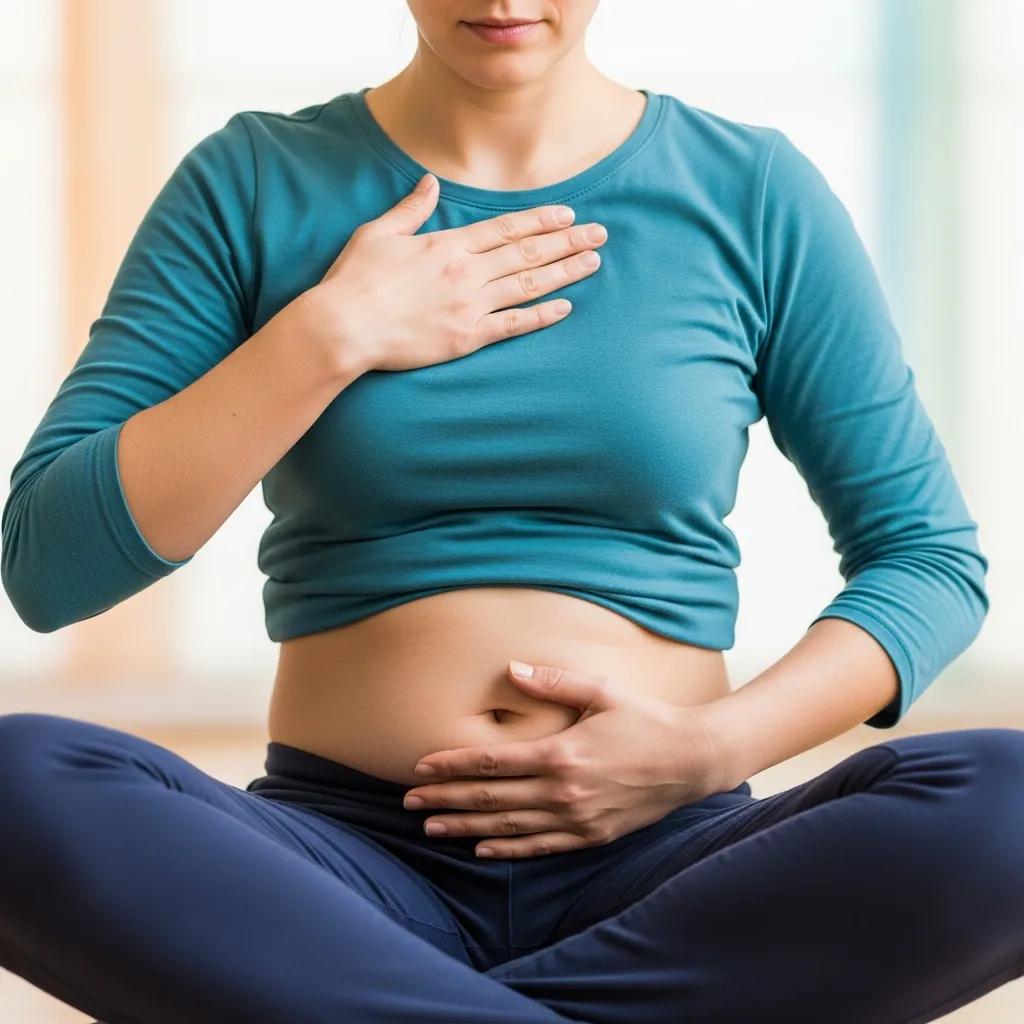
Breathing exercises are among the quickest ways to calm anxiety by directly influencing the nervous system. They help regulate the body’s stress response and promote relaxation by increasing oxygen flow and activating the parasympathetic nervous system.
How Do Diaphragmatic and Box Breathing Techniques Reduce Anxiety?
Diaphragmatic breathing involves deep breaths that engage the diaphragm, encouraging full oxygen exchange and reducing tension. Box breathing structures the breath into four equal parts—inhaling, holding, exhaling, and pausing—each typically lasting four seconds. This rhythmical pattern helps center attention, slows the heart rate, and eases feelings of panic or overwhelm.
What Are Step-by-Step Instructions for Effective Breathing Exercises?
To practice diaphragmatic breathing:
- Find a Comfortable Position: Sit or lie down in a quiet space.
- Place One Hand on Your Chest and the Other on Your Abdomen: This helps you notice the movement of your diaphragm.
- Inhale Deeply Through Your Nose: Allow your abdomen to rise while keeping your chest still.
- Exhale Slowly Through Your Mouth: Feel your abdomen fall.
For box breathing:
- Inhale for Four Seconds: Fill your lungs completely.
- Hold Your Breath for Four Seconds: Maintain the pause.
- Exhale for Four Seconds: Release the breath slowly.
- Pause for Four Seconds: Before inhaling again.
These exercises can be practiced anywhere and provide immediate relief by calming the nervous system.
How Can Mindfulness and Meditation Practices Reduce Anxiety Symptoms?
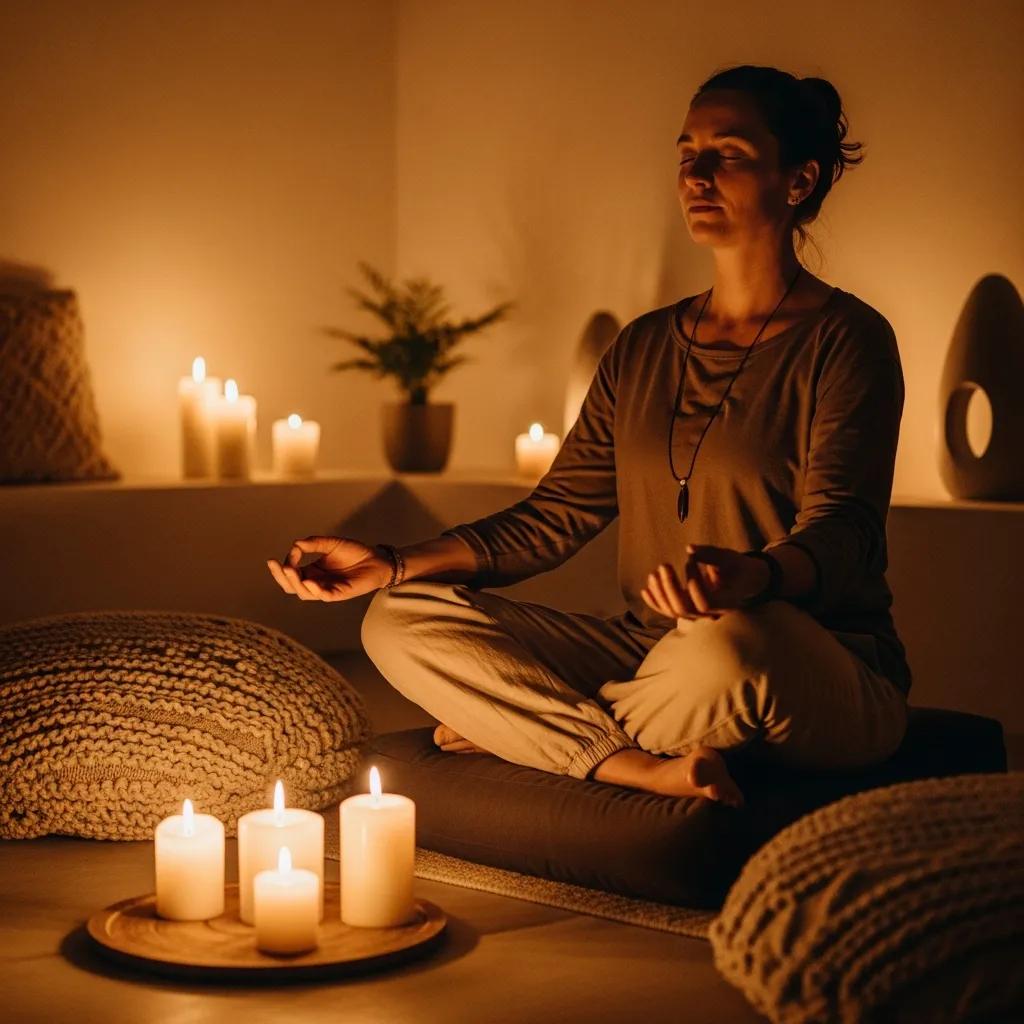
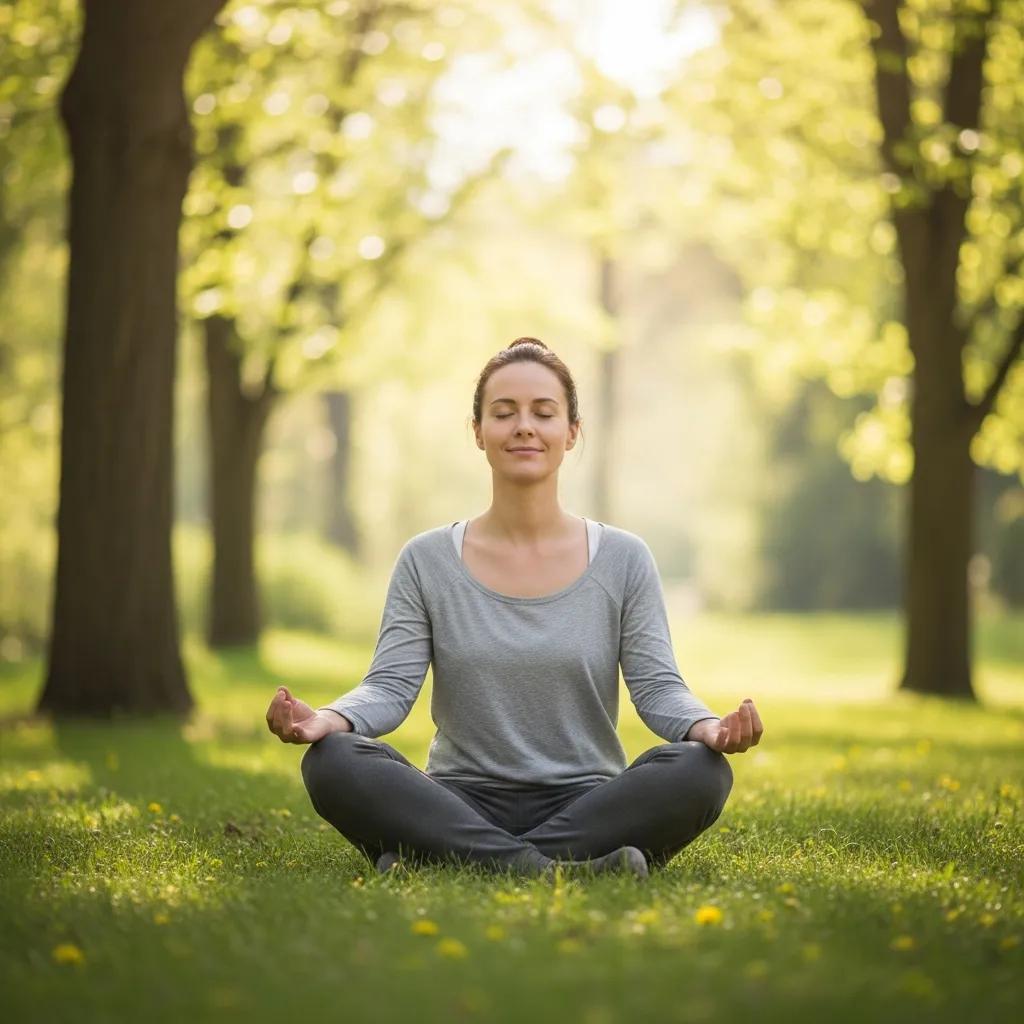
Mindfulness and meditation cultivate present-moment awareness, which can interrupt cycles of worry and rumination that fuel anxiety. These practices engage brain regions involved in attention and emotional regulation, helping to stabilize mood and reduce stress.
What Mindfulness Techniques Are Proven to Calm Anxiety?
Effective mindfulness techniques include:
- Body Scan: Systematically noticing areas of tension or discomfort in the body and consciously releasing them.
- Mindful Breathing: Directing attention to the breath as an anchor to the present moment.
- Guided Imagery: Using mental visualization of calming scenes or experiences to promote relaxation and ease anxiety.
Research supports these methods as effective in reducing anxiety symptoms and improving overall mental health. For example, mindfulness-based stress reduction (MBSR) has been shown to reduce worry by increasing decentering—the ability to observe thoughts and feelings without becoming overwhelmed by them.
Mindfulness for GAD: Decentering & Anxiety Reduction
Analyses revealed that change in decentering and change in mindfulness significantly mediated the effect of MBSR on anxiety. When both mediators were included in the model, the multiple mediation analysis revealed a significant indirect effect through increases in decentering, but not mindfulness. Furthermore, the direct effect of MBSR on decrease in anxiety was not significant, suggesting that decentering fully mediated the relationship. Results also suggested that MBSR reduces worry through an increase in mindfulness, specifically by increases in awareness and nonreactivity. Improvements in GAD symptoms resulting from MBSR are in part explained by increased levels of decentering.
Change in decentering mediates improvement in anxiety in mindfulness-based stress reduction for generalized anxiety disorder, E Bui, 2015
How Does Guided Meditation Support Anxiety Management?
Guided meditation involves following verbal instructions from a facilitator, which can help you learn to observe and manage anxious thoughts and feelings. This approach supports emotional regulation and builds resilience by training the brain to shift focus away from distressing patterns.
What Are the Benefits of Cognitive Behavioral Therapy for Anxiety Management?
Cognitive Behavioral Therapy (CBT) is a structured, evidence-based approach that helps identify and change thought patterns and behaviors that maintain anxiety. It equips you with practical skills to manage stress and improve emotional well-being.
How Does CBT Identify and Change Anxiety-Triggering Thoughts?
CBT involves:
- Identifying Triggers: Recognizing specific situations or thoughts that provoke anxiety.
- Challenging Negative Thoughts: Examining the accuracy and helpfulness of anxious thoughts.
- Developing Coping Strategies: Creating actionable plans to respond differently to anxiety-provoking situations.
Research highlights CBT’s effectiveness in transforming unhelpful thinking into more balanced perspectives, which reduces anxiety and improves mood.
CBT for Anxiety: Changing Negative Thought Patterns
By synthesizing research studies on the treatment of various disorders like depression and anxiety, we will uncover the profound impact that challenging and changing negative
COGNITIVE BEHAVIORAL THERAPY: HOW TO CHANGE NEGATIVE THOUGHT PATTERNS
When Should Individuals Consider Counseling Services for Anxiety?
You may consider counseling when anxiety begins to interfere with your daily activities, relationships, or overall quality of life. A mental health professional can provide support by helping you develop personalized strategies to manage anxiety and improve functioning.
Which Natural Anxiety Remedies and Stress Coping Skills Are Effective?
Natural remedies and lifestyle adjustments can complement therapy and medication. These approaches often focus on supporting the nervous system and overall health.
How Does Progressive Muscle Relaxation Help in Reducing Anxiety?
Progressive Muscle Relaxation (PMR) involves systematically tensing and then relaxing muscle groups. This practice helps release physical tension that accumulates with anxiety and promotes a state of calm.
What Lifestyle Changes Support Long-Term Anxiety Relief?
Consider incorporating the following habits to support mental health:
- Regular Exercise: Physical activity releases endorphins, which improve mood and reduce stress.
- Balanced Diet: Consuming nutrient-rich foods supports brain function and emotional regulation.
- Adequate Sleep: Quality sleep is essential for managing stress and maintaining mood stability.
These changes contribute to a foundation for sustained anxiety management. A systematic review confirms the positive impact of lifestyle interventions on reducing symptoms of anxiety, depression, and stress.
Lifestyle Interventions for Anxiety, Depression & Stress
examined the effectiveness of various lifestyle interventions including physical activity, dietary changes, and sleep hygiene in reducing the symptoms of depression, anxiety, and stress.
The effect of lifestyle interventions on anxiety, depression and stress:
A systematic review and meta-analysis of randomized clinical trials, SF Javaid, 2024
What This Looks Like in Real Life
Imagine waking up with a sense of dread that colors your entire day, making it difficult to focus or feel at ease. You might find yourself avoiding social gatherings or work tasks because the fear of panic or embarrassment feels too intense. In relationships, anxiety can create distance when you hesitate to share your feelings or withdraw to manage overwhelming emotions. These everyday experiences highlight how anxiety can subtly and persistently affect your life.
Therapy offers a space to explore these patterns, understand their origins, and develop skills to respond differently. Through counseling, you can learn to recognize early signs of anxiety, practice calming techniques, and improve communication, which supports healthier connections and greater emotional balance.
How to Access Local Counseling Services for Anxiety in the Lake Houston Area?
Accessing counseling services provides structured support for managing anxiety. The Shift Counseling and Wellness, LLC, offers care that respects your unique experiences and focuses on practical strategies to improve mental health.
What Are the Advantages of Personalized Anxiety Counseling at The Shift Counseling and Wellness?
Counseling at The Shift emphasizes building a collaborative relationship where your experiences are understood and addressed with evidence-based approaches. This process supports steady progress in managing anxiety through skill development, emotional regulation, and nervous system stabilization.
How Can Clients Schedule a Free Consultation or Book a Session?
To schedule a free consultation, you can contact The Shift Counseling and Wellness at 713-396-0257 or email Info@theshifttx.com. This initial conversation allows you to discuss your needs and explore how counseling can support your mental health journey.
What to Expect in Counseling
Your first counseling session typically involves sharing your experiences and goals while the counselor explains the process. Therapy progresses through collaborative work, focusing on building skills to manage anxiety, improve emotional regulation, and enhance communication. Change often develops gradually as you practice new strategies and gain insight, leading to more consistent relief and improved quality of life.
Begin Your Journey Toward Managing Anxiety
If you are ready to explore ways to calm anxiety and improve your mental health, consider scheduling a 15-minute consultation with The Shift Counseling and Wellness. Meaningful change happens through consistent, supported steps, and professional guidance can help you navigate this process with confidence.