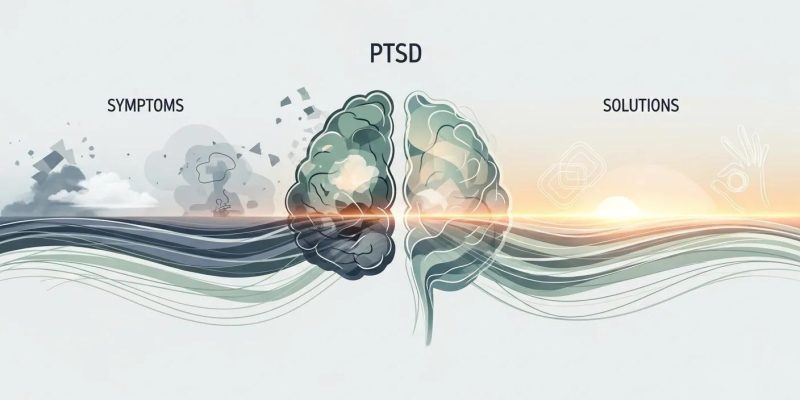
Understanding PTSD: Symptoms & Solutions
PTSD can affect anyone. You might find yourself replaying moments in your mind or lying awake at night with heavy feelings that are hard to express. When these memories keep coming back, it can be hard to feel calm. It’s normal to feel unsure about what’s happening or how to feel better. Many people experience this, and you are not alone. Your feelings are real, and you have options to feel steadier and understood.
TLDR
Memories of trauma keep returning; they can appear as strong flashbacks, upsetting dreams, or anxiety that is hard to manage. These feelings can affect your sleep, your relationships, and your daily life, sometimes making you feel confused or isolated. Talking with a counselor can provide a safe place to explore these feelings, learn ways to cope, and find clearer paths forward. In the following paragraphs, we will discuss common PTSD symptoms, causes, risk factors, effective treatments, and coping strategies. We will also share information about counseling services here in Lake Houston that can help you or your loved ones through these challenges.
Understanding PTSD and Its Impact
Post-Traumatic Stress Disorder, or PTSD, occurs when your nervous system remains on high alert long after a difficult event has ended. This can happen after you experience or witness something frightening or upsetting, often showing up as memories or feelings that are hard to control.
For some people, these feelings become easier over time. For others, they persist and affect how they feel and behave every day. Recognizing these patterns is an important step toward getting help and feeling better.
What This Looks Like in Real Life
Scenario A: You might feel on edge all the time in busy places, noticing every sudden noise and finding it hard to relax even when things seem calm.
Scenario B: You may avoid certain conversations or places that bring up memories, sometimes feeling numb or disconnected when those memories arise.
Scenario C: Sleep might be difficult, with vivid dreams waking you up, and you might find it harder to connect with loved ones, unsure why your feelings are so strong.
Common Experiences Across Ages
Trauma can look different depending on your age and life stage. Adults often have flashbacks, nightmares, or feel numb, and might avoid things that remind them of what happened.
Children and teens might show these feelings in other ways. Children might become more irritable, have trouble sleeping, or act out. Teens might withdraw, take more risks, or have mood swings.
Understanding these differences helps ensure you or your loved ones get the right kind of support that fits your needs.
Recognizing Early Signs
Early signs of PTSD often include avoiding things that remind you of the trauma, mood changes you or others notice, and stronger emotional reactions. You might find yourself pulling away from friends and family, having trouble sleeping, or feeling tense or easily startled.
These reactions are not a sign of weakness. They show how your nervous system is trying to keep you safe by staying alert long after the danger is gone. Spotting these early signs and asking for help can make a real difference in feeling better and managing symptoms.
What Are the Common Symptoms of PTSD in Adults, Teens, and Children?
PTSD symptoms can vary depending on your age, but often include:
- Strong, unwanted flashbacks
- Bad dreams about the trauma
- High anxiety or panic
- Thoughts about the trauma that you can’t control
Adults might also feel numb and avoid places, conversations, or people that remind them of the trauma.
Children might become more irritable, act younger than their age, or have trouble sleeping. Teens might have mood swings, withdraw from others, or take risks.
Noticing these signs early can help you get support and start healing sooner.
How Do PTSD Symptoms Show Up Differently Across Age Groups?
Your age and life stage affect how trauma appears. Adults often have unwanted memories or feel disconnected from themselves or others, with trouble focusing or feeling emotionally flat.
Teens might become irritable, act out, or have strong feelings that seem bigger than the situation.
Children might not have the words to express how they feel, so trauma might show as behavior changes, clinginess, acting younger, or physical complaints like stomachaches.
Because symptoms change with age, treatment should fit what feels right for you or your loved one’s stage of life.
What Causes PTSD and What Are the Main Risk Factors?
PTSD can develop after you experience, witness, or hear about a traumatic event that affects someone close to you.
Not everyone who experiences trauma develops PTSD. Factors that can increase the likelihood include your genes, past trauma, ongoing stress, and lack of support.
Studies show that about 7-8% of people in the U.S. will have PTSD at some point, which shows how common and serious it can be.
Which Traumatic Events Commonly Trigger PTSD?
PTSD can result from many types of trauma, such as:
- Being in combat
- Sexual assault
- Natural disasters
- Serious accidents
- Other life-threatening events
How someone copes with trauma depends on their past, current stress, and support system.
How Do Risk Factors Influence the Development of PTSD?
Your genes can make you more or less likely to develop PTSD, especially if mental health issues run in your family.
Your environment also matters. Constant stress, repeated trauma, and insufficient support can worsen symptoms and make recovery harder.
Knowing these risk factors helps you and your care team focus on preventing problems, getting help early, and choosing the best treatment.

How Therapy Supports Healing
Therapy provides a steady, safe place to talk about your experiences and learn how to manage them. Two types of therapy that work well are Cognitive Behavioral Therapy (CBT) and Eye Movement Desensitization and Reprocessing (EMDR).
CBT helps you recognize and gently change unhelpful thoughts about your trauma, teaches coping skills, and helps balance your emotions. EMDR helps you process difficult memories so they don’t feel so overwhelming.
Other therapies, like prolonged exposure and cognitive processing therapy, also offer useful tools tailored to your needs.
What Therapy Looks Like
Therapy is a team effort. At first, you build trust and share your story. Over time, you learn skills to handle triggers, stop avoiding things, and feel more emotionally steady. The pace always respects where you are and what you need.
If medication is part of your care, your therapist can work with your doctor to ensure everything fits together well.
How Does Cognitive Behavioral Therapy Help Treat PTSD?
Cognitive Behavioral Therapy helps you identify and change unhelpful thoughts about trauma. It teaches coping strategies, encourages facing avoided situations, and helps you manage your emotions. Many people find their symptoms improve over time and they feel more confident handling triggers.
What Is EMDR Therapy and How Effective Is It for PTSD?
EMDR therapy helps you safely work through traumatic memories step by step. Using guided eye movements and other techniques, it reduces the strong feelings linked to those memories. Many people report feeling less overwhelmed by trauma reminders after just a few sessions.
Healing does not mean forgetting. It means remembering without feeling flooded.
What Coping Strategies and Support Resources Aid PTSD Recovery?
Professional therapy is often key to recovery. Along with that, daily habits can help you feel stronger. Helpful coping strategies include:
- Mindfulness and grounding exercises to stay present
- Journaling to process your feelings
- Regular exercise to improve your mood
- Talking openly with trusted friends or family
Support groups and community resources also offer connection and understanding. Recovery is not about rushing; it is about building steady progress, one step at a time.
How Is PTSD Diagnosed and What Role Does The Shift Play?
Diagnosing PTSD involves a careful evaluation by a doctor or mental health professional using guidelines from the Diagnostic and Statistical Manual of Mental Disorders. They ask questions and gather information to understand your symptoms and trauma history, ensuring treatment fits your needs.
At The Shift, we focus on trauma-informed counseling and support. We do not diagnose PTSD or prescribe medication, but we work closely with your healthcare team to help you heal.
Finding Support in Lake Houston
If you notice these signs in yourself or someone you care about, help is available. The Shift Counseling and Wellness offers trauma-informed care based on proven methods. We provide individual therapy, group counseling, and family support—all designed to create a safe, steady place for healing.
Quick Overview of PTSD: Flashbacks, Anxiety & Trauma Coping
Reaching out can feel intimidating, but you do not have to face this alone. Small steps can lead to big changes.
Call 713-396-0257 to speak directly with a counselor or click the button below.